The Science Behind the Rug
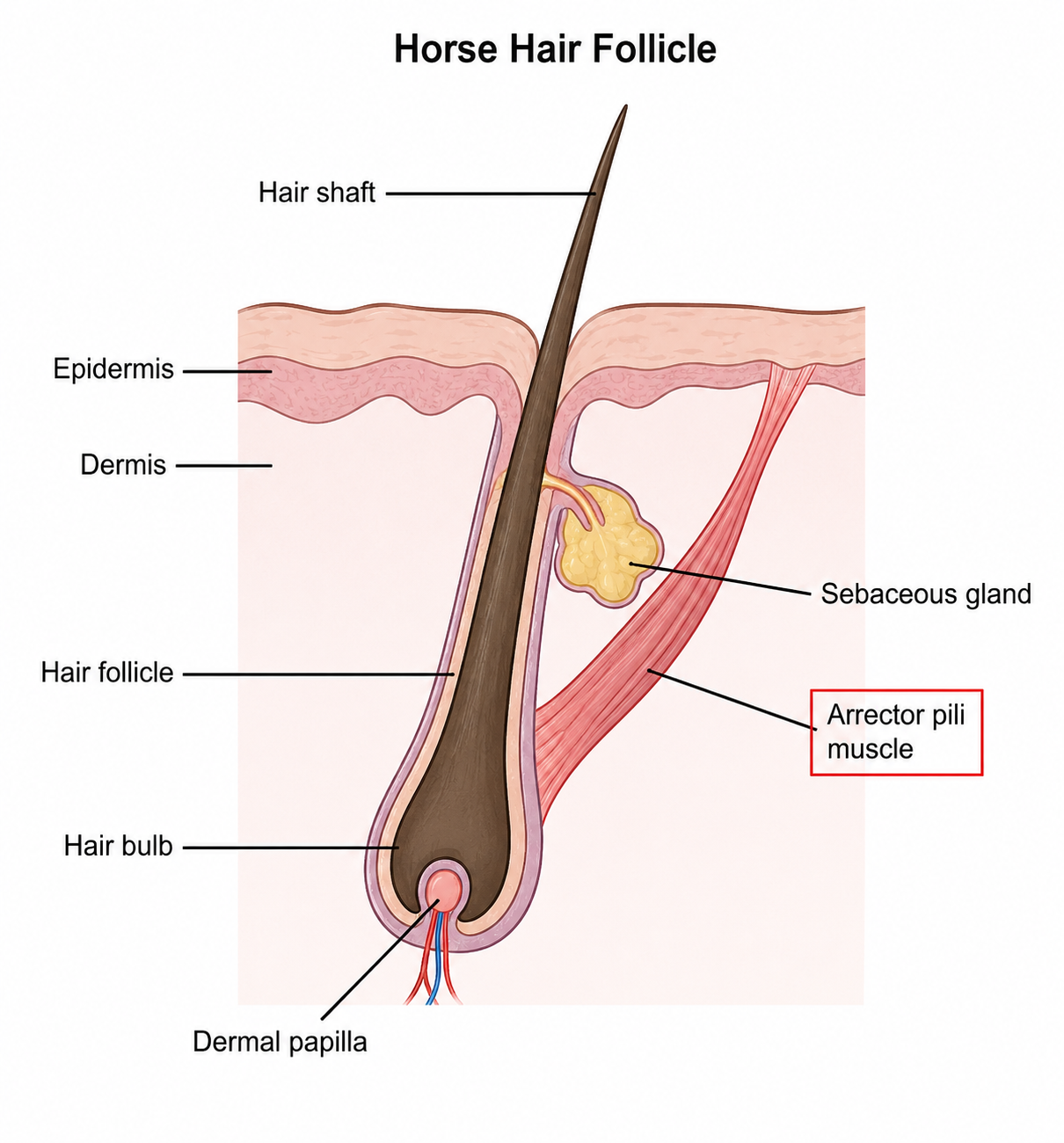
A horse’s body temperature is higher than a human’s, ranging up to 38.3 Celsius yet it can be higher on a warmer day. A horse’s own coat is an effective instrument in regulating its own body temperature by the process called Piloerection. This important function is the process of thermal regulation. It is the horse's ability to speed up heat loss from the body or increase heat retention using their hair follicles. Each individual hair follicle has a small muscle fiber attached to the base called the "Arrector pili".
When the horse feels its body cooling in cold weather the Arrector pili contract all at once and then the hair follicles stand erect. As the heat is dissipating from the body it has to flow through these upright hair follicles which dramatically slows down heat loss and helps to retain the body’s heat against the skin, thus keeping the horse warm. Basically when the horses hair is raised it traps the heat, keeping it warm and when the horse’s hair flattens, it allows the heat to dissipate, keeping them cool.
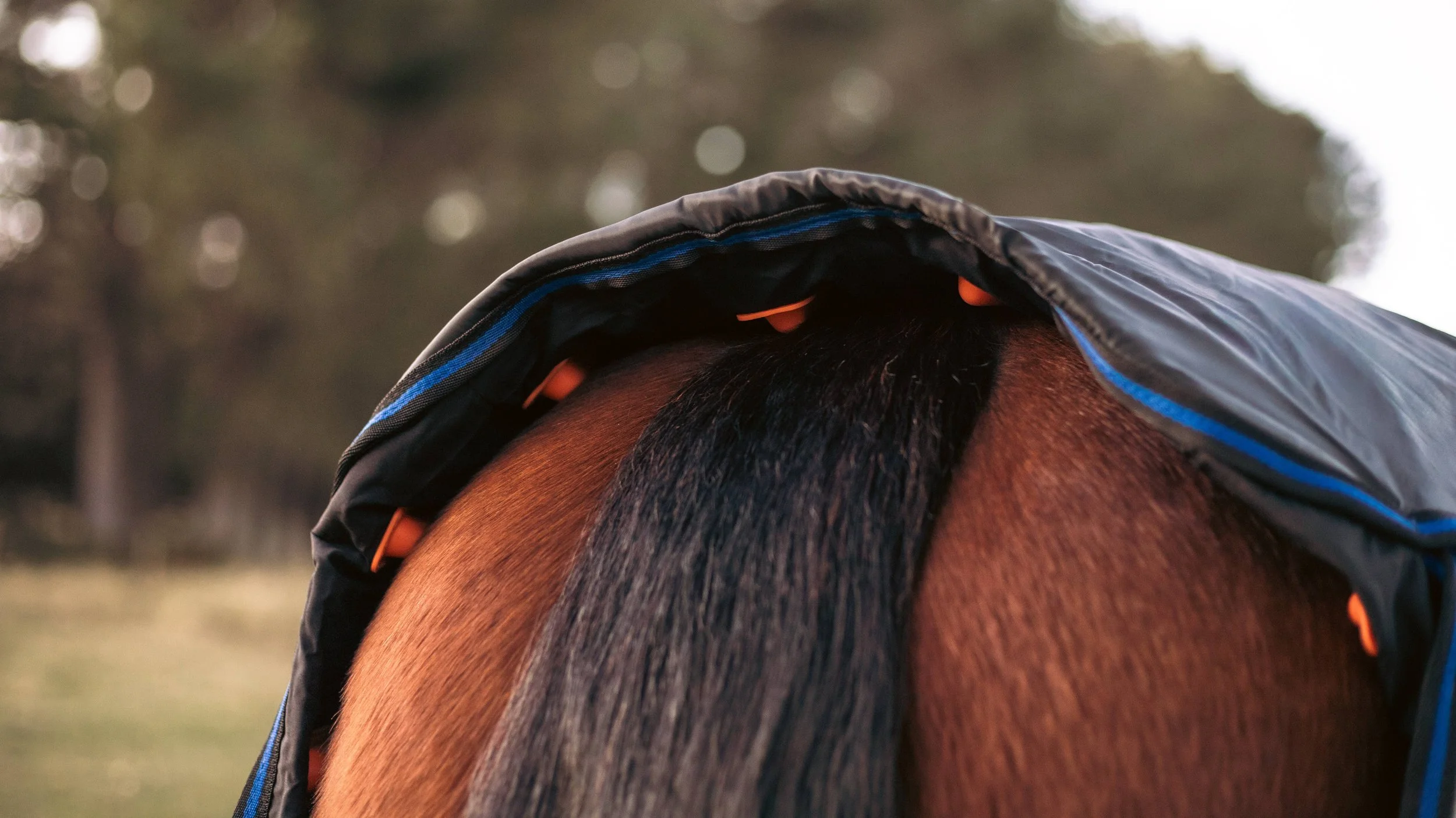
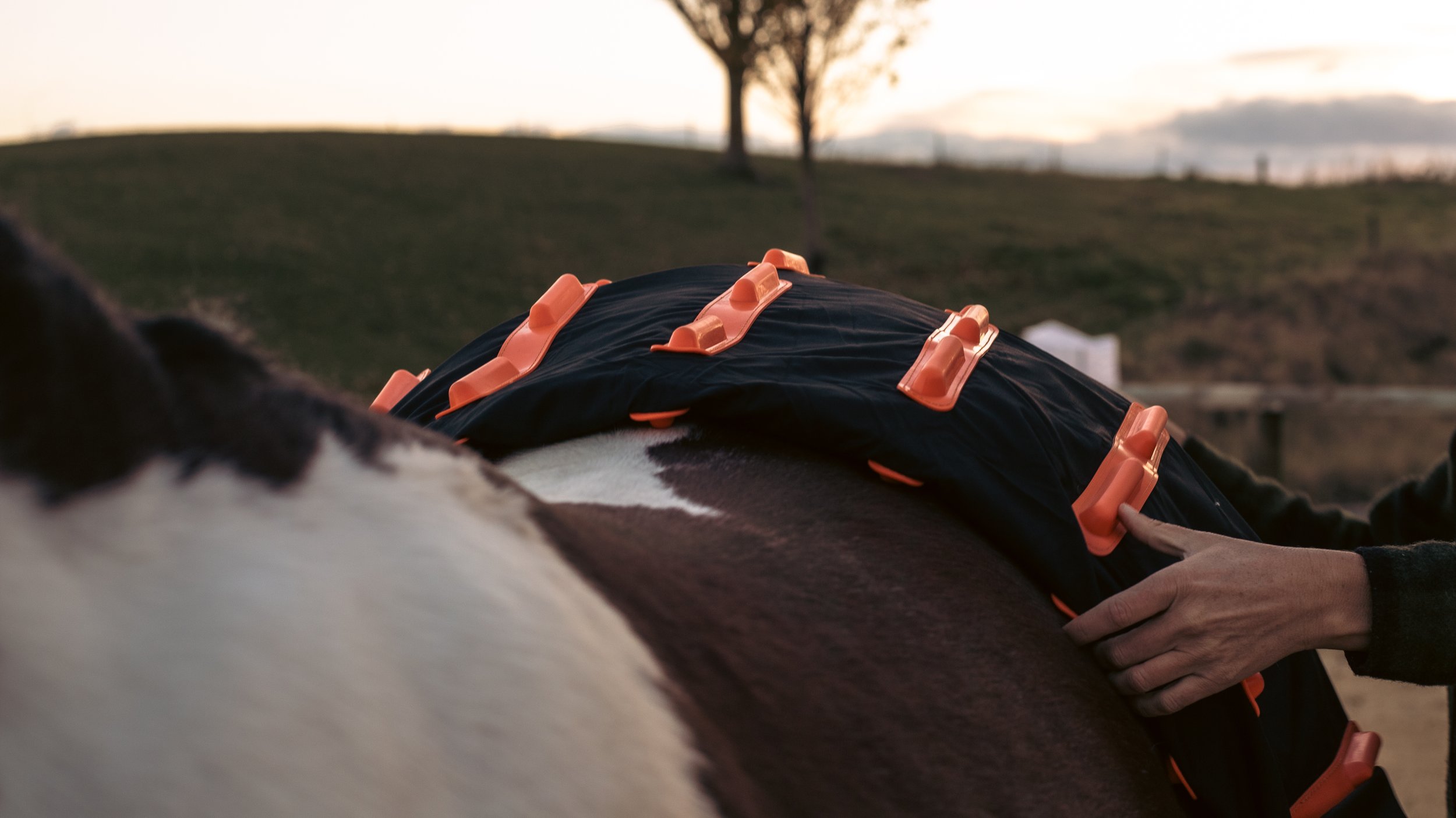
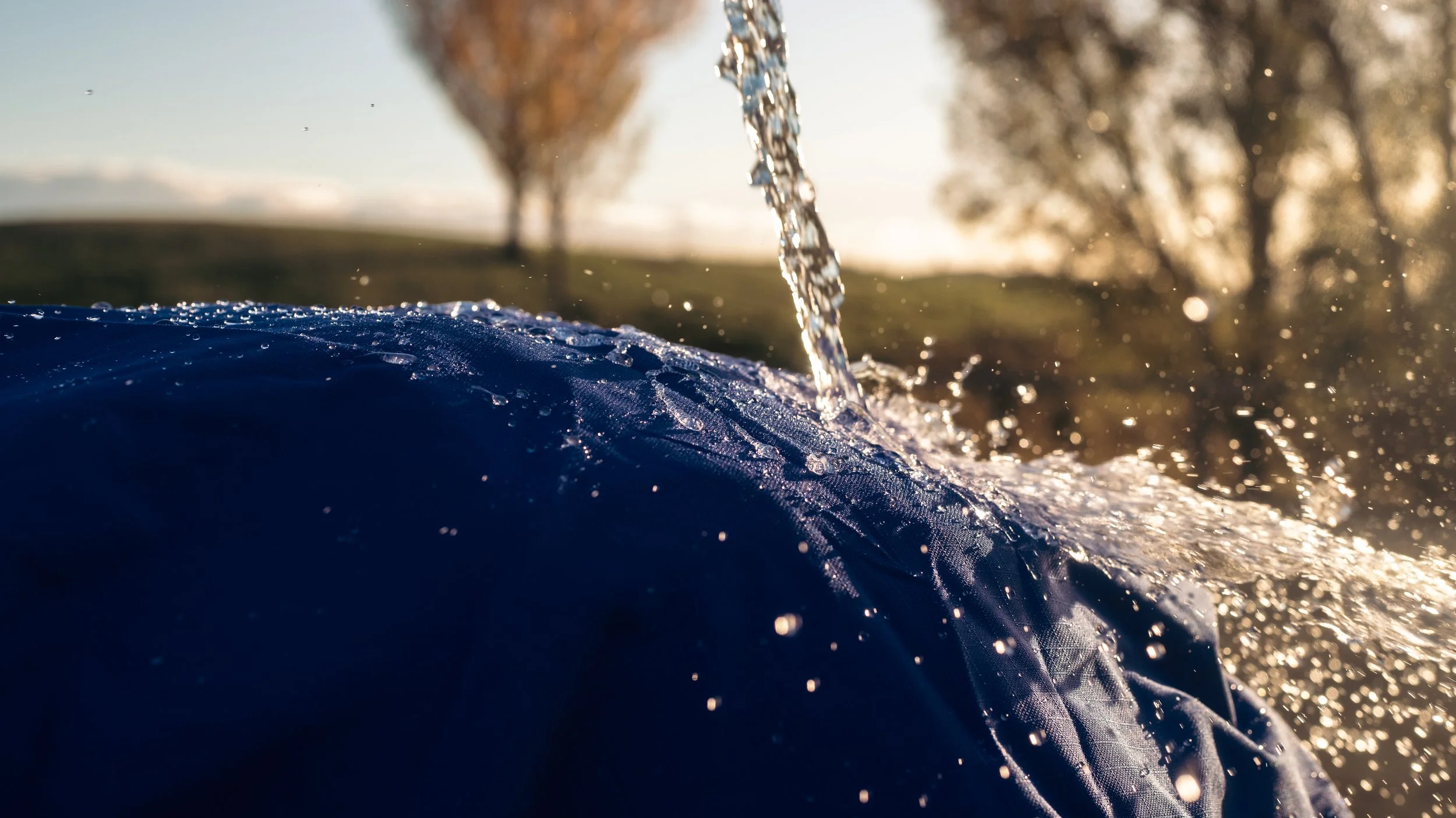
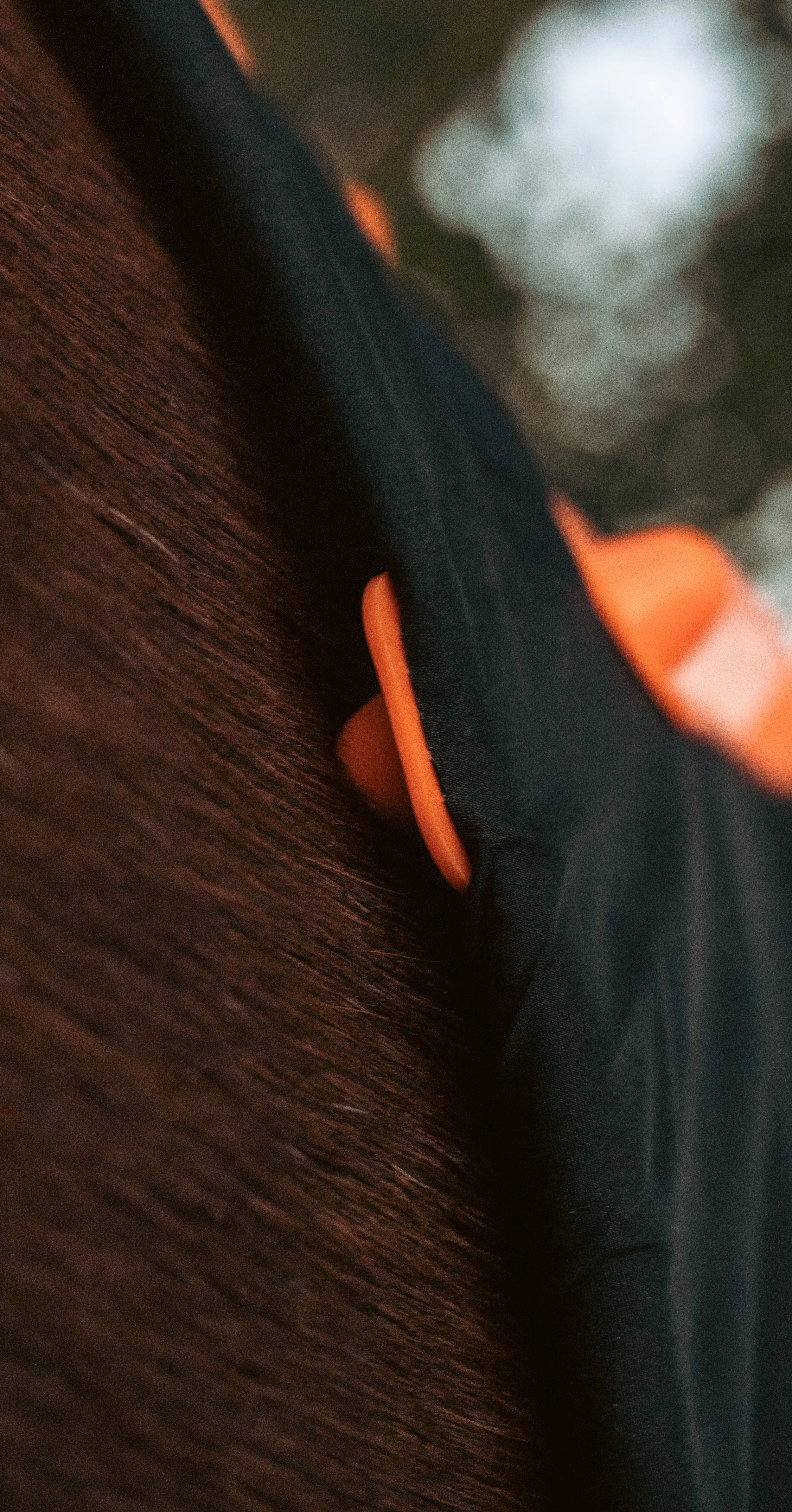
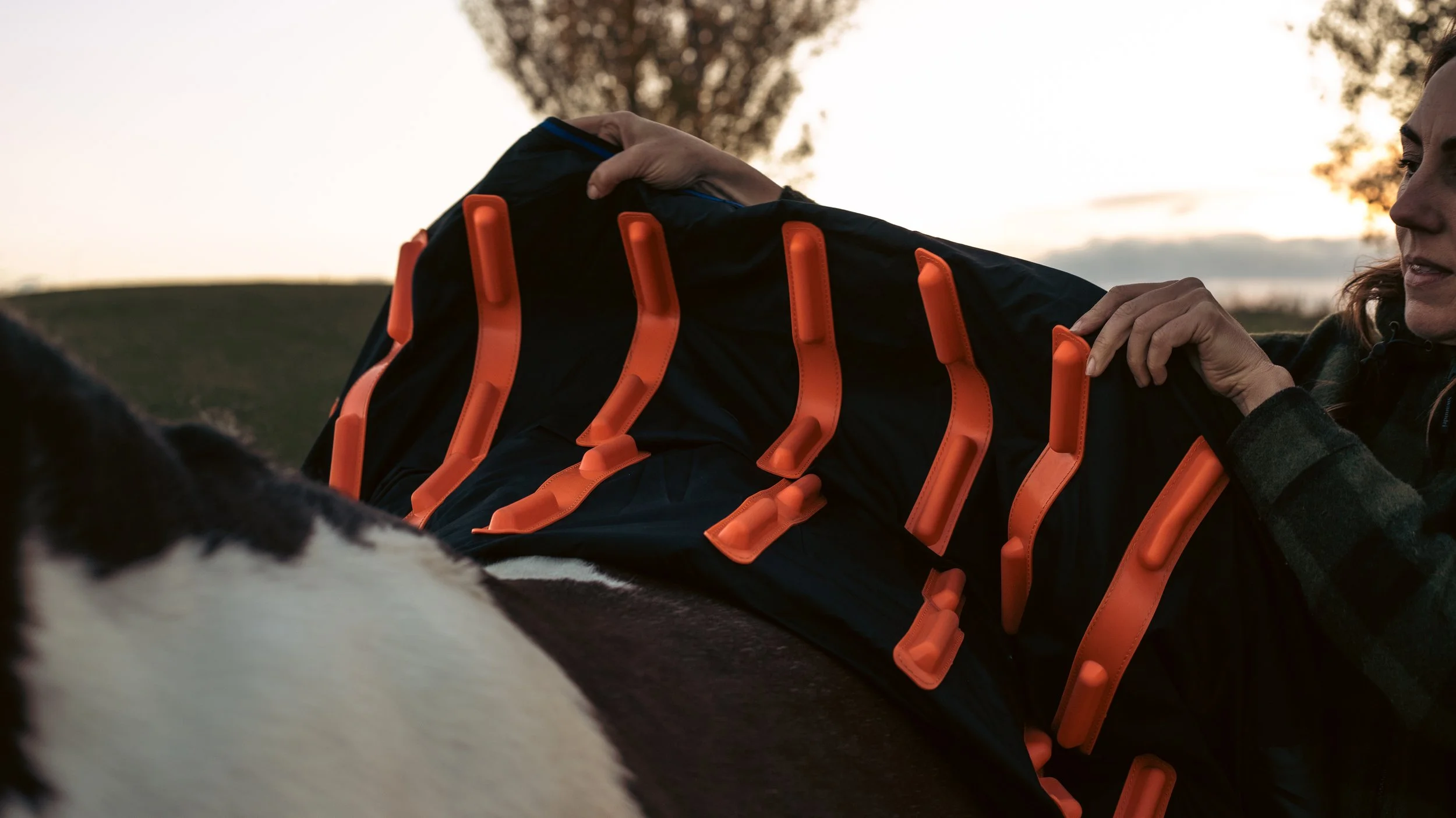
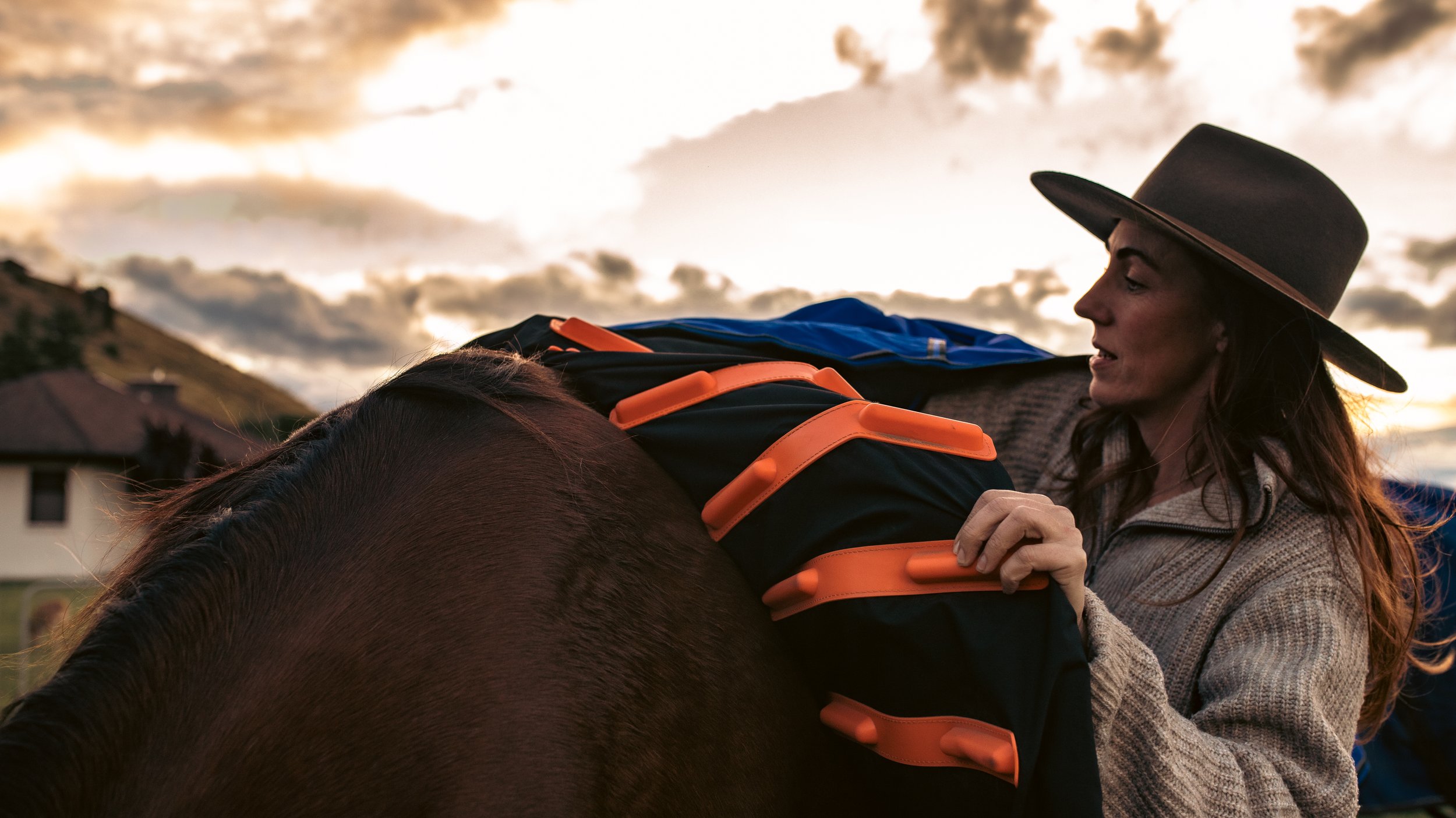
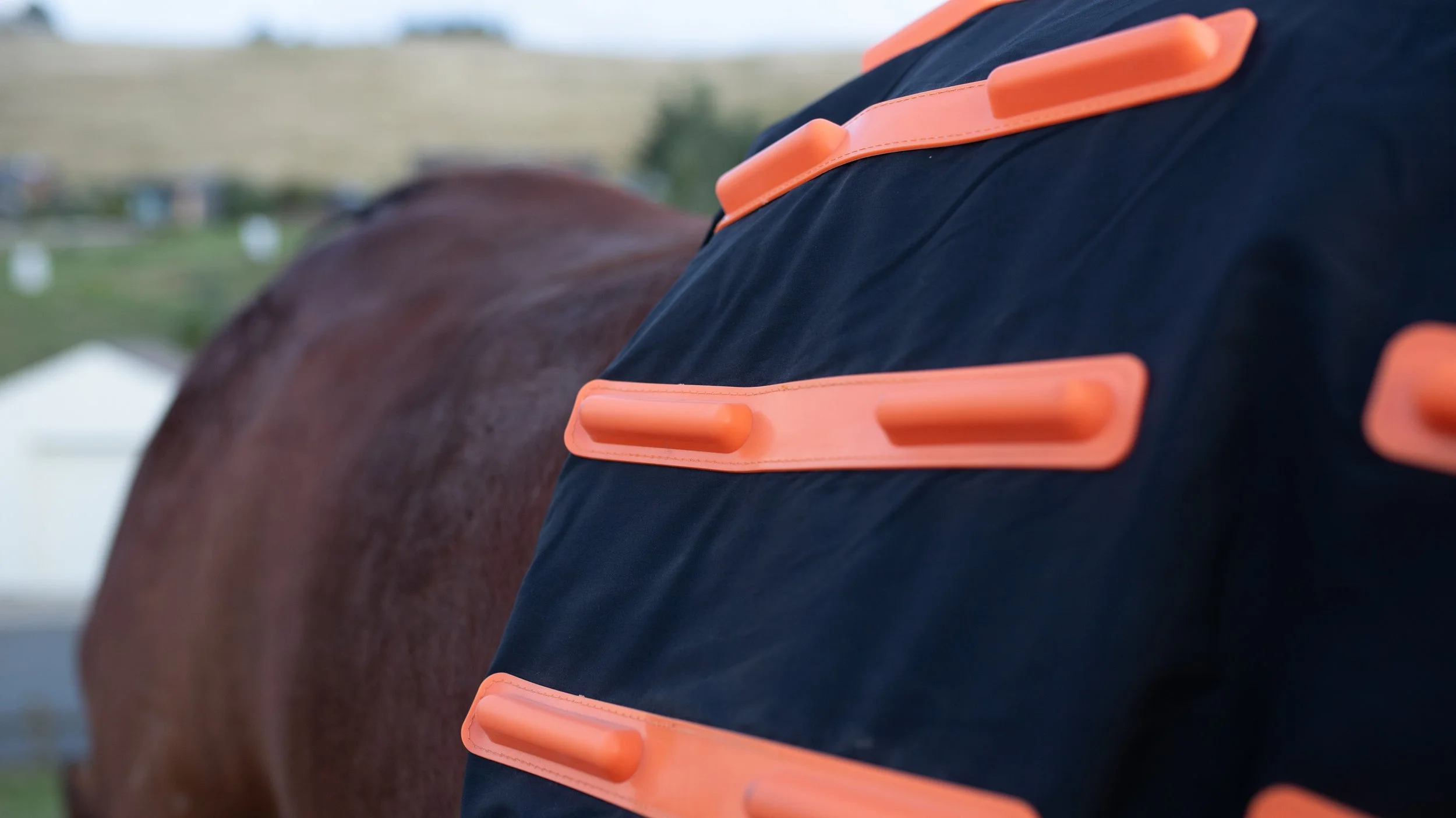
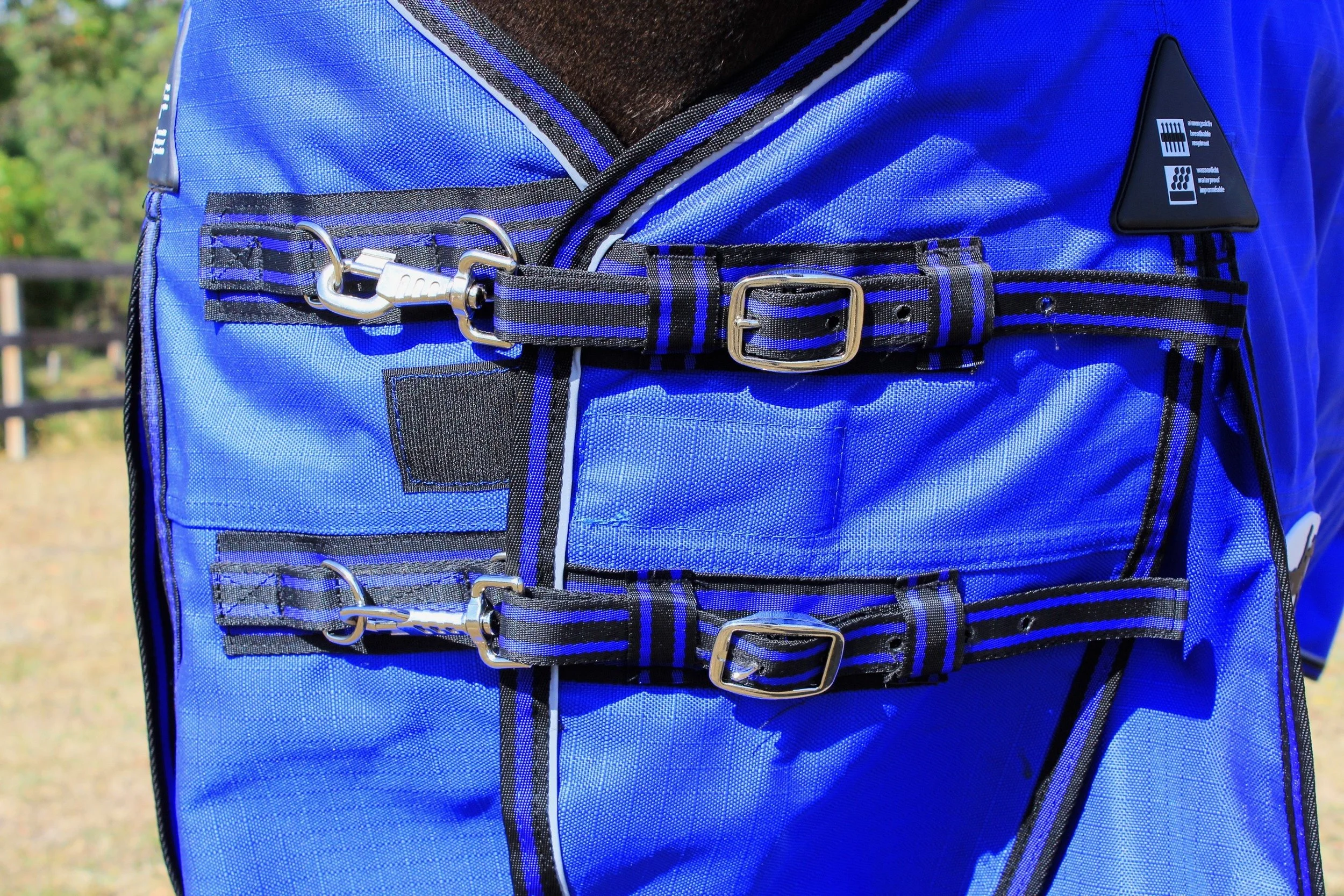
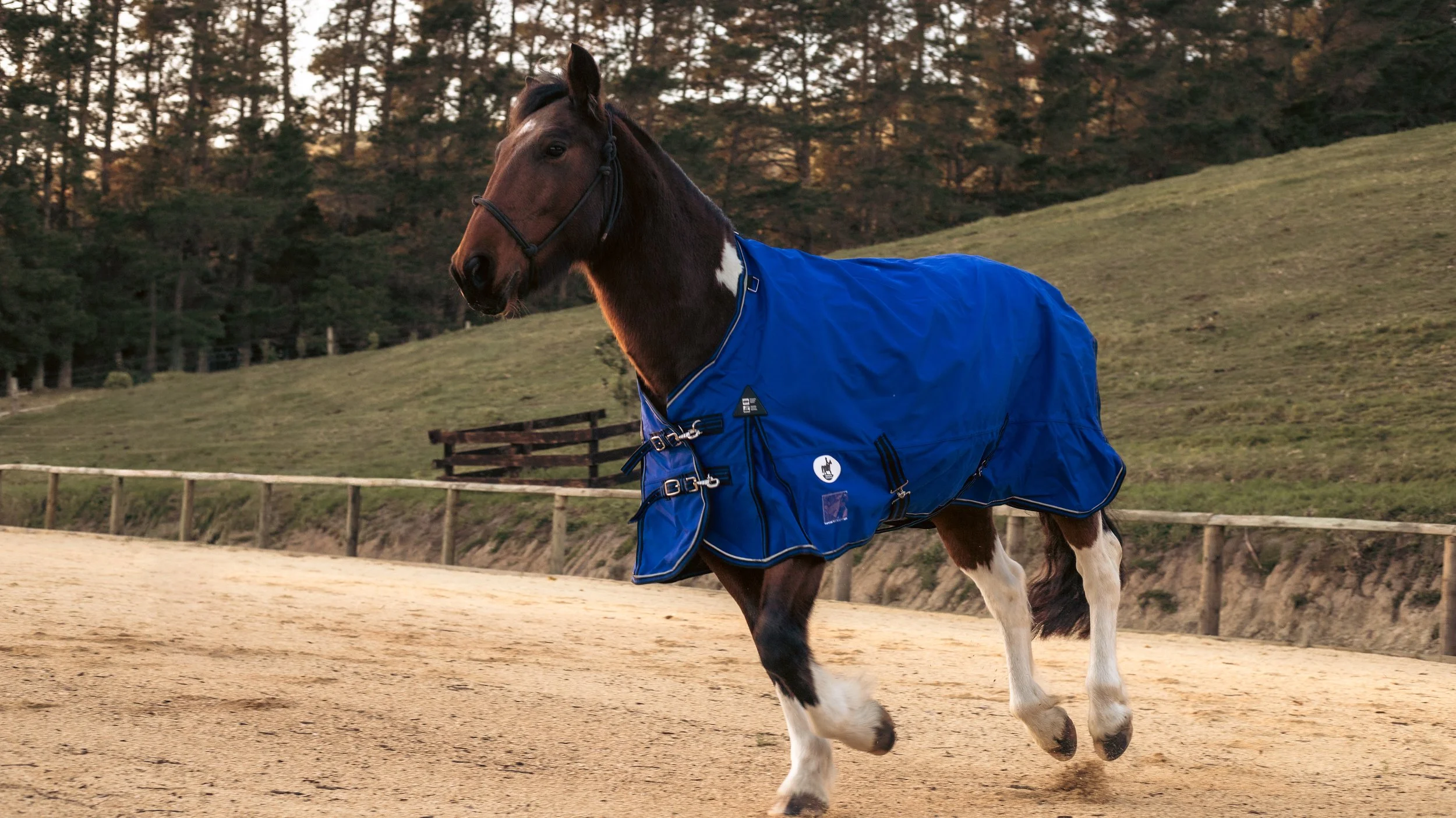
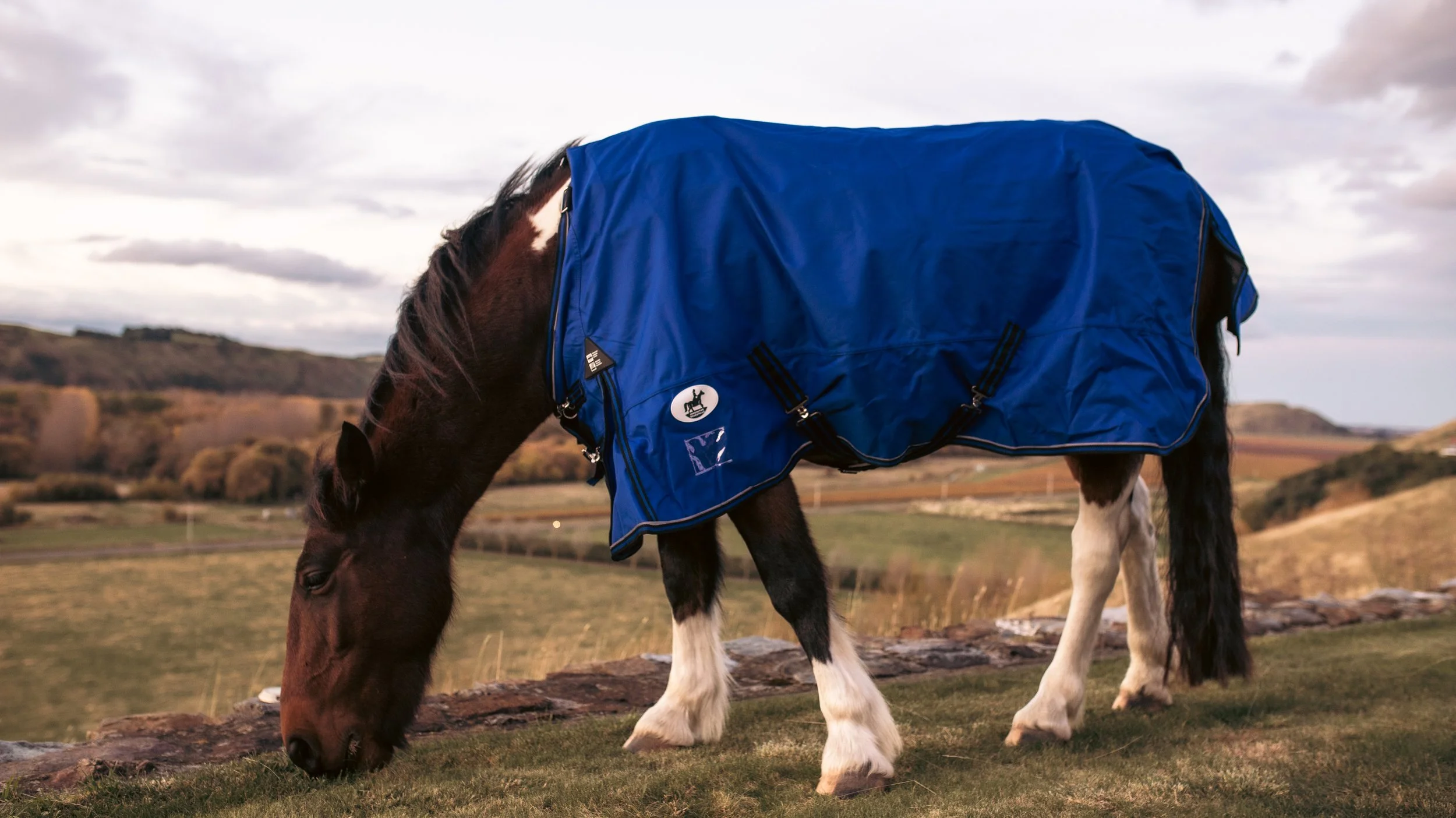
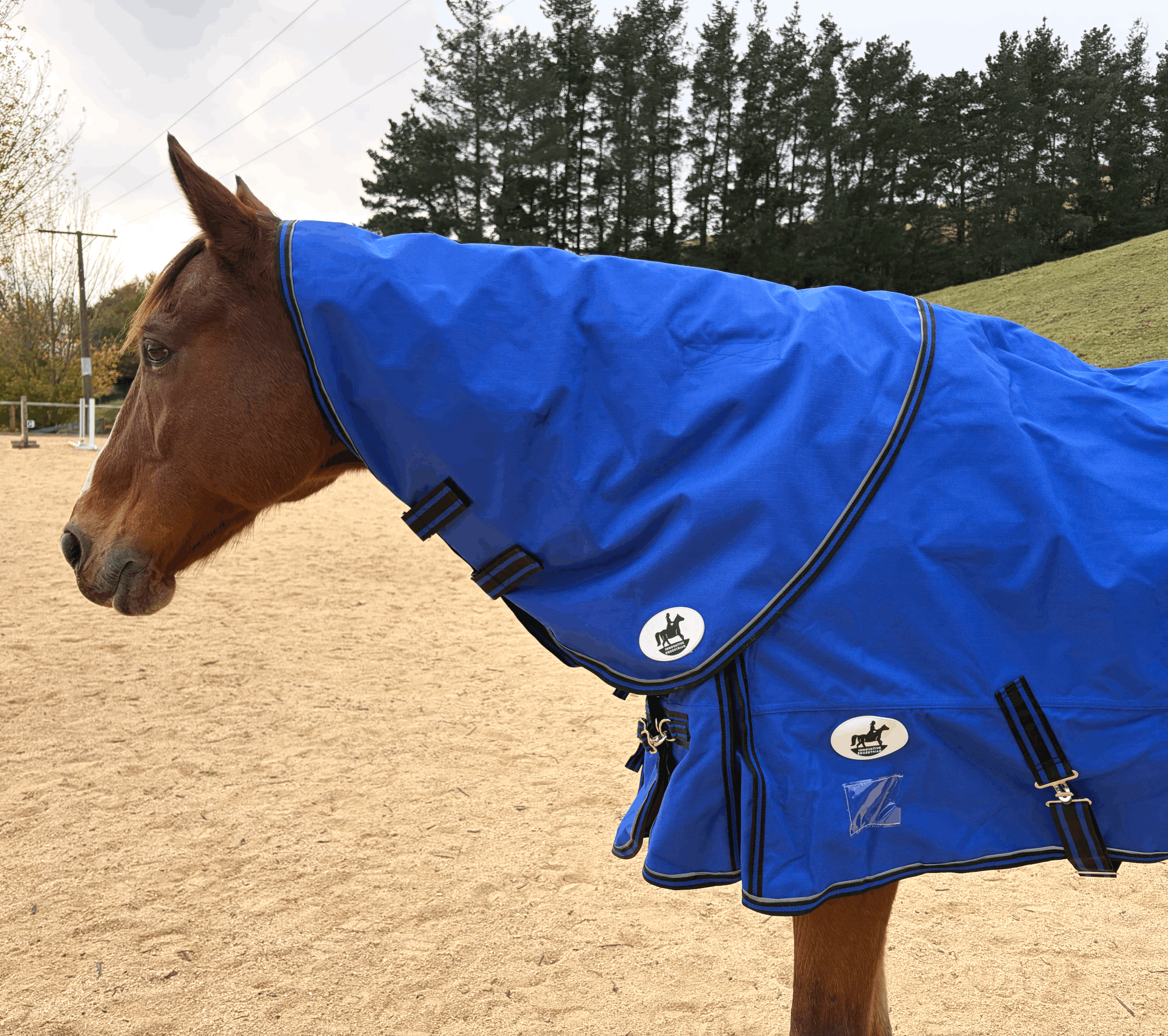
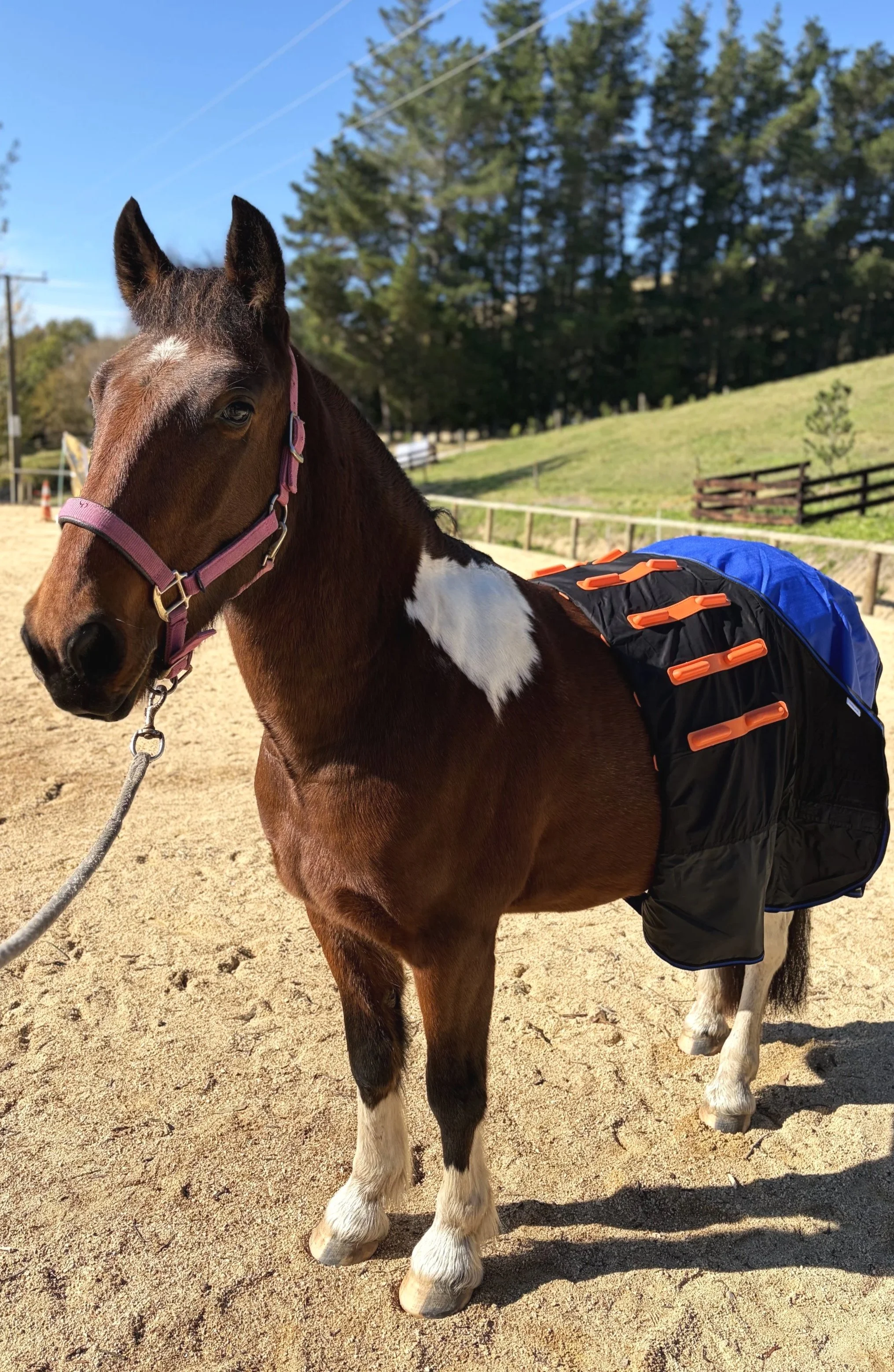
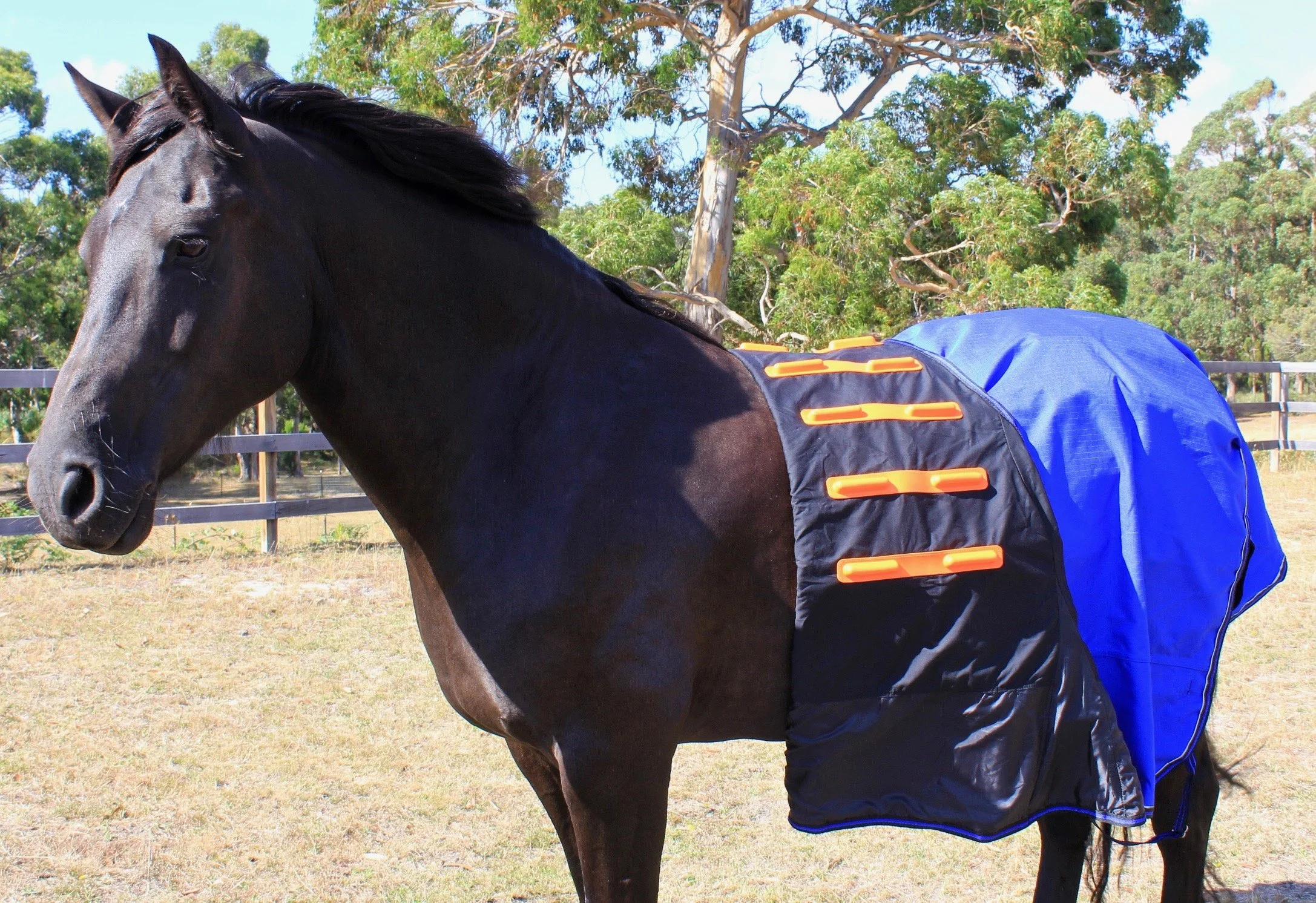
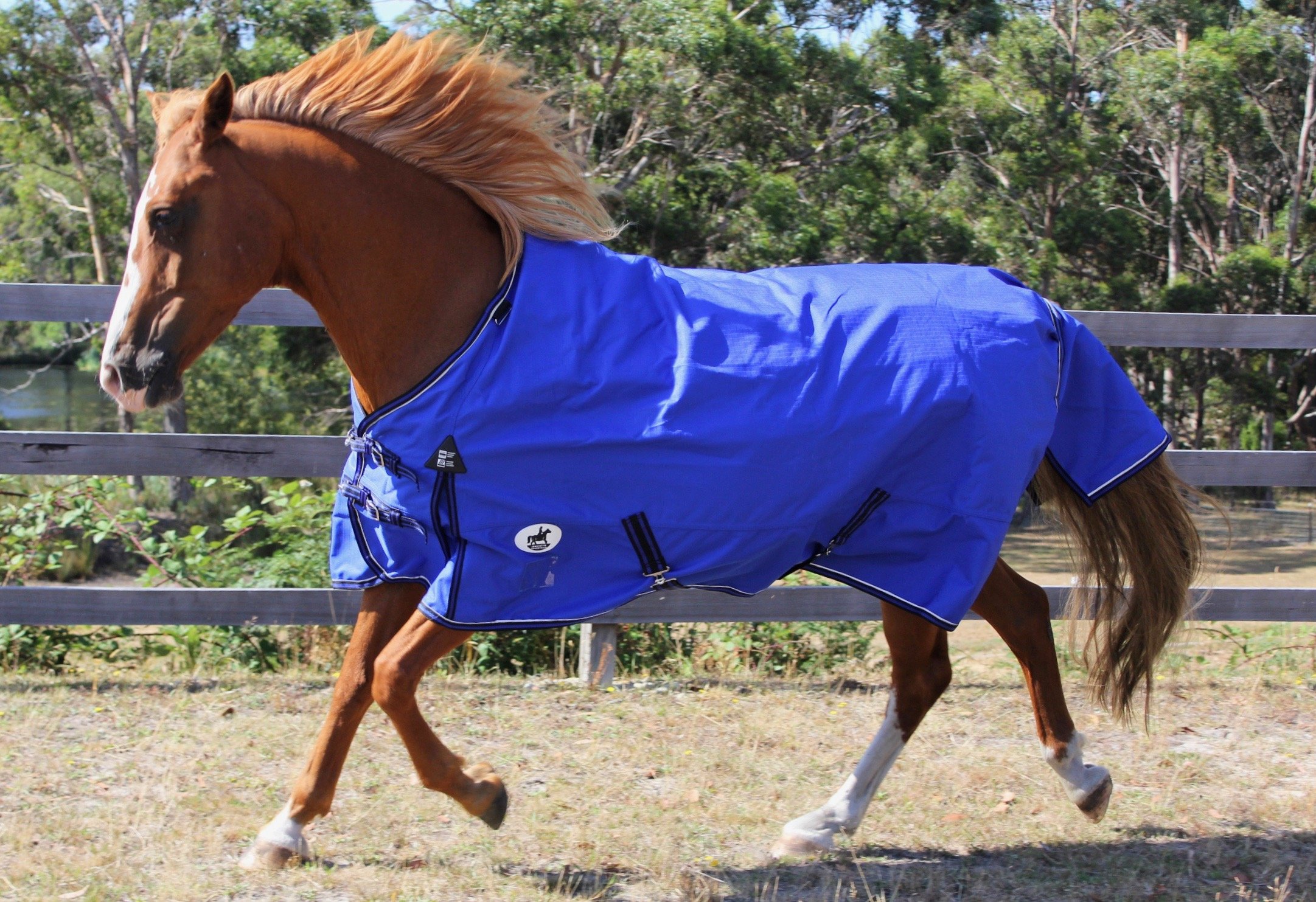
All in all this process is so effective the question is why are we putting on horse rugs? Domestication is a good answer as we confine our Equines to smaller pastures without sufficient shelter. Not all domestic horses need to be rugged yet we understand that not everyone can create the perfect domestic horse habitat. So that is where the Cool Heat Horse rug can help. By lifting a strong 1200 Denier Polyester 100% waterproof rain sheet up of the horses back with the aid of soft flexible plastic insulators we get to keep the perfect process of Piloerection.
The Cool Heat is really just a comfortable moving shelter that protects the horse from direct wind chill and rain. Effective in temperatures ranging from -10 to 20 degrees.
Another very important function for thermal regulation is the horse's ability to regulate blood flow from the body's inner core to just under the skin's surface. The horse's blood naturally travels from deep inside the body through arteries and then into dilated blood vessels just below the skin's surface where it is effectively cooled before returning deep inside the inner core of the body. The opposite occurs when the horse is feeling cold. When the horse feels its body temperature starting to drop in cool weather it can constrict these blood vessels just under the skin's surface to prevent it loosing rapid heat loss. Muscle movement is a vital part of warming the body creating inner core body heat. This is achieved through body movement (exercise) or the act of shivering. Shivering is achieved through rapid muscle contraction and de-contraction near the skin's surface. Shivering is often involuntary but this rapid muscle movement generates considerable body heat. This should not be looked upon as the horse necessarily suffering from the cold but enacting a vital part of its thermal regulation process. A horse locked in a stable cannot walk or run around to create muscle movement, and hence body heat, so they rely on shivering to create body heat in a natural way. A horse in a yard or paddock will run or walk around depending on the amount of inner core body heat required to feel comfortable. In cold weather it is always best to avoid locking horses away in confined spaces. The opposite occurs in warm weather when horses restrict their body movement to a minimum to help reduce muscle movement which in turn reduces inner core body heat.
All these wonderful natural functions are impeded by putting on conventional rugs because they compress the horses hair and take away the ability for the horse to self-regulate its own body temperature. The solution is a Cool Heat Horse Rug that even enables the horse to shiver under the rug if necessary and sweat freely and then dry its own body from the sweat by wicking away the moister with its own hair. This rug really is as close to natural as you could possibly get.